Showing posts with label Artistic. Show all posts

12/5/16

From Japanese Aesthetics

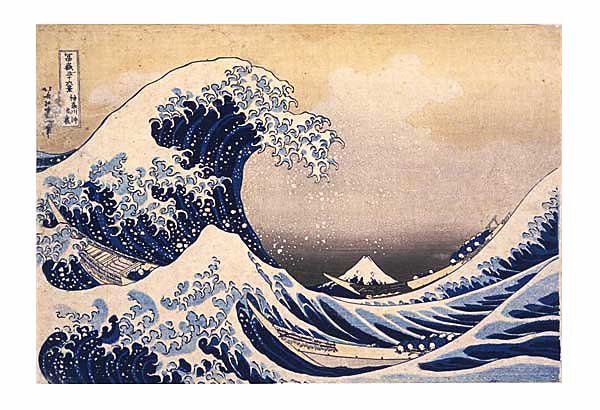
Having read a lot about Zen before, I was very pleasantly surprised to listen to a section within an audio course on Japanese aesthetics in general... There is so much elaborate and hidden beauty, engulfed within its own lingual and artistic island (not just the material) , that grants a unique and deeply touching character. 

In addition to the deep wisdom contained within the methods and traditions of the Samurai, Noh performances (the amazing zeami noh play of atsumori), Koans, the tea ceremony , bonzai , Amazing paintings, there were some literary gems and jewels that were very exciting to learn (e.g. Lady Murasaki and Sei Shonagon - especially the latter)... 

Some samples below: 
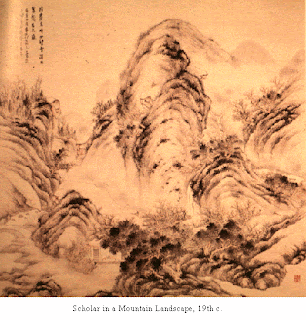


plum tree


pine trees


wabi-sabi tea bowl


Wabi-sabi represents Japanese aesthetics and a Japanese world view centered on the acceptance of transience and imperfection. A view of beauty that is "imperfect, impermanent, and incomplete".

Mono no aware literally "the pathos of things", and also translated as "an empathy toward things", or "a sensitivity to ephemera". an  awareness of impermanence or transience of things, and both a transient gentle sadness (or wistfulness) at their passing as well as a longer, deeper gentle sadness about this state being the reality of life.

On a deeper contemplative note, it is interesting to me the level of ritualization involved in systemizing and institutionalizing the process of meaning-making within society. This is evident especially in visual arts, the Noh, calligraphy, and others. In addition to ritualization there is a very powerful level of attention to detail and fragments, as well as a deep influence of Buddhist traditions of mindfulness, and awareness of the transience of this existence. 

5/1/15

السريانية ... أغنية و أبجديّة وفكرة - عن تراث حضاري غيّبه الظلام

محزن كيف يضيع عصر كامل من تراث المشرق الجميل وفكره أو يكاد .. ممتع أن ننظر إلى ما يأتي عن اللغة السريانية وأخوّتها مع اللغات الساميّة والعربيّة منها: 


وهذه أغنية جميلة (أونو طيرو) "أنا طير" لجان كارات مع ترجمة بالعربية واللفظ السرياني ... فيها الكثير من المعاني الصوفيّة الجميلة و لمسة فنيّة نادرة ..


طبعا لا بدّ من بحث أكبر في المستقبل ، ولكنّني عثرت على هذه الأغنية بالصدفة وكان لا بدّ أن تضاف هنا إلى قائمة ما يذكر.

2/10/14

Islamic (Civilization) (Miniature) Painting Art


week24.jpg
The Prophet Elijah rescuing Hamza's nephew, Prince Nur ad-Dahr. An illustration from the heroic romance, Hamzanama (Book of Hamza). India, 1562. Supplied by the British Museum  


week35.jpg
"The wonders of creation and the addities of existence." Page from a manuscript. Mamluk Iraq, C 1365-1425. Supplied by the British Museum


Layla and Majnun

Layla and Majnun - India, Hyderabad - c. 1770


Layla visits Majnun, from Akbar's Quintet of Amir Khusraw Dihlavi
Late 16th century, Mughal India. Courtesy: Walters Art Museum photostream.
Rustam Slaying the Dragon


Rustam & Sohrab


10/4/13

Mythological / Religious Art: The Wheel of Becoming

The Tibetan "Wheel of Life" - "Wheel of Becoming"


Amazing - ran across a discussion of this beautiful illustration in "The Power of Myth" (Moyers & Campbell).. Something very fascinating about such metaphorical interpretations of the different worlds.. A longer post will come soon on the book


The 12 Links of Dependent origination:
1. blind old woman (ignorance),
2. potter making a pot (formation),
3. monkey in a tree (consciousness),
4. three men in a boat (name and form),
5. house with 6 windows (the 6 senses),
6. couple making sweet love (contact),
7. man with an arrow in his eye (feeling - youch!),
8. man drinking milk and honey (craving)
9. monkey gathering fruit (grasping)
10. pregnant woman (becoming)
11. woman giving birth (birth)
12. man carrying a corpse (death)

The Symbolic Six Worlds:

1. Abode of the Gods
2.The World of Men
3.The Realm of the Insatiable
4. The World of Hells
5. The World of Animals
6. The World of the Titans


The White Path
This is the “Path of Bliss” which leads to better rebirths and towards a final liberation. Saints and sages are shown leading the virtuous along the path.
The Dark Path
This is the path where the ignorant and sinners are dragged along by demons armed with nooses. This is the path for those who engage in ignorance, envy and hatred, and greed. This path leads to hells and bad rebirths.
The Roots of Evil
The force that drives the wheel from its hub. Depicted are 3 symbolic animals known as the “Three Unwholesome Roots” because from them grow all the evils of life, or as the “Three Poisons” because they corrupt from within. The cock represents greed, the snake hatred and the pig ignorance, and these are the three things that create all human bondage and misery.
Bodhisattava (See THIS for example)
(Shown at the very top left of the illustration) -- The Bodhisattava of compassion looks down in compassion. He is saddened for those suffering in all the six realms. The Bodhisattava is the link between the mundane and the transcendental. He represents the drive within the ordinary to fulfill the transcendental. This link is depicted, if you look closely you can see a discrete line drawn from the top of the “White Path” leading to Buddha representing those beings attaining nirvana.

More Explanations Here and Here

This is interesting too : http://www.onmarkproductions.com/html/six-states.shtml


Cycle